Description
Buy MDPV Online UK | MDPV For Sale uk | Order MDPV Near Me Online
DESCRIPTION
Buy MDPV Online UK. Monkey dust is a street name for a group of powerful synthetic drugs belonging to the synthetic cathinone class—often misleadingly labeled as “bath salts” or “plant food.”
First developed by pharmaceutical companies in the 1960s as potential central nervous system stimulants, these compounds never underwent clinical trials and were never marketed for medical use.
Decades later, they re-emerged on the recreational drug market, gaining notoriety for their extreme potency, unpredictable effects, and association with severe public health incidents.
Monkey dust is not a single substance but a dangerous class of synthetic cathinones (primarily MDPV, MDPHP, α-PVP, and α-PHP) characterized by extreme potency, unpredictable effects, and severe health risks.
As potent inhibitors of dopamine and norepinephrine reuptake, these compounds produce intense euphoria and stimulation but come with a steep price: psychosis, seizures, hyperthermia, organ failure (including liver and kidney damage), cardiovascular collapse, and death.

The documented clinical case series of MDPV users showing near-universal hospital admission, frequent ICU stays, and fatalities underscores that this is not a “recreational drug” in any safe sense.
The emergence of monkey dust in chemsex contexts and among vulnerable populations experiencing homelessness adds additional layers of public health concern.
If you or someone you know is using monkey dust, recognize the signs of overdose: chest pain, seizures, hyperthermia, severe agitation, or loss of consciousness require immediate emergency medical attention. Dependence treatment is available and effective, combining medical detoxification with evidence-based therapies like CBT and contingency management.
What Is Monkey Dust? Understanding the Chemistry
Monkey dust is not a single drug but a collective term encompassing several synthetic cathinones. The most common compounds sold under this name include:
-
MDPV (Methylenedioxypyrovalerone) – originally developed by Boehringer Ingelheim in the 1960s
-
MDPHP (Methylenedioxy-α-pyrrolidinohexiophenone) – often considered the primary “monkey dust” compound in the UK
-
α-PVP (alpha-PVP, also known as Flakka)
-
α-PHP and α-PiHP (often called “Alpha” or “Flex”)
All of these belong to the pyrovalerone class (colloquially “pyros”)—synthetic cathinones characterized by a pyrrolidine ring structure that makes them particularly potent and long-acting.
Chemical Classification
Monkey dust compounds are synthetic cathinones—man-made derivatives of cathinone, a naturally occurring stimulant found in the khat plant (Catha edulis), which has been chewed for centuries in East Africa and the Arabian peninsula.
The core structure of these compounds is a β-keto amphetamine (a phenethylamine with a ketone group). MDPV and its relatives are technically α-pyrrolidinophenones, distinguished by the presence of a pyrrolidine ring at the α-carbon position relative to the ketone.
Pharmacodynamics: How It Works
Unlike cocaine or amphetamines, which primarily trigger the release of neurotransmitters, monkey dust compounds function primarily as reuptake inhibitors—specifically potent inhibitors of the dopamine transporter (DAT) and norepinephrine transporter (NET).
Key pharmacological features:
-
DAT inhibition → Massive accumulation of dopamine in the synapse → intense euphoria, stimulation, and addiction potential
-
NET inhibition → Increased norepinephrine → elevated heart rate, blood pressure, and alertness
-
Minimal serotonin activity → Unlike MDMA, monkey dust lacks significant serotonergic effects, contributing to its “cold,” purely stimulant profile
This mechanism makes monkey dust compounds significantly more potent than cocaine at blocking dopamine reuptake. Research shows MDPV is a “potent inhibitor of catecholamine uptake at DAT and NET, with significant preference for DAT and NET over SERT”. Importantly, these agents do not cause neurotransmitter release—they simply prevent the brain from clearing dopamine and norepinephrine after they are naturally released.
Potency Comparison
| Compound | Primary Action | Relative Potency at DAT |
|---|---|---|
| Cocaine | Reuptake inhibitor | Baseline (1x) |
| MDPV | Reuptake inhibitor | ~10-50x more potent than cocaine |
| Methamphetamine | Releaser + reuptake inhibitor | Different mechanism |
This extreme potency explains why monkey dust is active at very low doses and why overdoses occur so easily.
Physical Appearance of Monkey Dust
Based on forensic reports and harm reduction sources, monkey dust typically presents as:
-
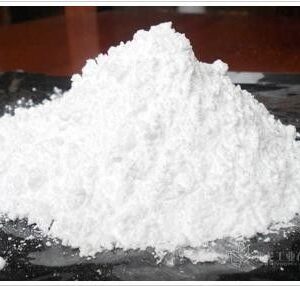
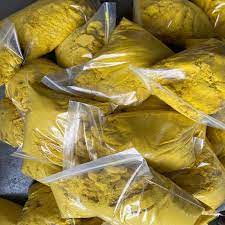
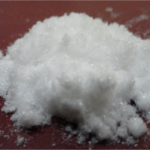
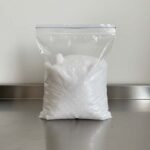
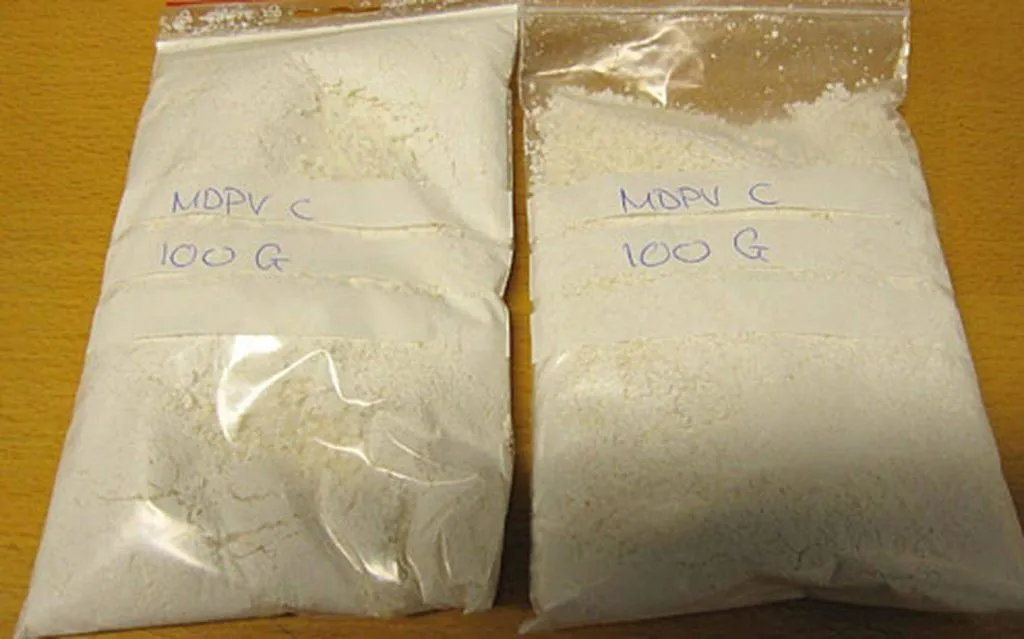
Color: Off-white, white, yellow, or brownish (fine or coarse powder, occasionally as small crystals)
-
Form: Rarely sold as a paste; most commonly a dry powder or crystalline substance
-
Odor: Some users report a smell resembling semen or prawns/vinegar—this characteristic odor has been noted in multiple reports
-
Solubility: The “freebase” version of MDPHP is not water-soluble and sticks to mucous membranes, making it unsuitable for nasal or rectal consumption
Purity and Adulteration Concerns
A critical danger of the illicit monkey dust market is the high rate of misdeclaration and contamination. Without laboratory testing (drug checking), it is often impossible to know what substance is actually being sold as “monkey dust.” Different compounds have different potencies and durations of effect, making misidentification particularly dangerous.
Recent analyses have shown that since class-wide bans were implemented (e.g., in China in 2021, in the Netherlands in 2024), illicit labs have switched to alternative synthesis methods, resulting in products with variable purity and dangerous residual precursors.
Buy Monkey Dust Liverpool Online, Where To Order Monkey Dust
Effects of Monkey Dust
Desired Effects (User-Reported)
Users of monkey dust typically seek:
-
Intense euphoria
-
Increased energy and alertness
-
Boosted self-confidence and sociability
-
Lowered sexual inhibitions and increased libido
-
Increased focus and motivation
-
Suppression of appetite
In chemsex contexts, users report becoming “super horny” with sex described as more “animalistic,” and the drug is used to increase sexual performance and intensify sexual feelings.
Onset and Duration
The onset and duration depend heavily on the route of administration and specific compound:
| Route of Administration | Onset | Duration (typical session) |
|---|---|---|
| Smoking | Seconds | 30-40 minutes before redose urge |
| Insufflation (snorting) | Minutes | 2-4 hours |
| Oral (swallowing) | 15-45 minutes | Up to 8 hours |
| Intravenous | Seconds | 1-2 hours |
Important: The short duration of effects—particularly when smoked—creates an intense redose compulsion. Users report feeling the urge to “top up” within 30-40 minutes. This can lead to marathon sessions lasting up to 72 hours (average reported ~20 hours).
Risks and Side Effects
Short-Term Physical Effects
-
Cardiovascular: Increased heart rate (tachycardia), elevated blood pressure (hypertension), chest pain, heart attack (myocardial ischemia)
-
Thermoregulatory: Overheating (hyperthermia), heavy sweating
-
Neurological: Seizures (epileptic attacks), tremors, muscle twitching, balance disorders, jerky movements
-
Gastrointestinal: Dry mouth, nausea, vomiting
-
Other: Dilated pupils, teeth grinding (bruxism), shortness of breath (when smoked), nosebleeds (when snorted)
Short-Term Psychological Effects
-
Paranoia – Intense, irrational suspicion of others
-
Hallucinations – Visual, auditory, or tactile (e.g., feeling “beestjes onder de huid” – bugs under the skin)
-
Agitation and aggression – Violent or erratic behavior
-
Panic attacks and severe anxiety
-
Confusion and disorientation
-
Psychosis – Acute psychotic episodes requiring emergency intervention
Overdose Signs and Organ Damage
Signs of overdose requiring emergency attention:
-
Extreme elevation or irregularity in heart rate/blood pressure
-
Slowed or stopped breathing
-
Severe hyperthermia (dangerously high body temperature)
-
Seizures
-
Delirium and extreme agitation
-
Loss of consciousness
Documented severe complications from case studies:
In a case series of 23 patients who tested positive for MDPV, all except one were admitted to hospital, most required ICU admission, and one death was reported.
Additional severe complications documented include:
-
Rhabdomyolysis (muscle tissue breakdown)
-
Metabolic acidosis
-
Acute renal failure (kidney failure)
-
Liver injury – a documented case of bath salts (monkey dust)-induced liver injury presented with AST >717 U/L, ALT 2435 U/L, and liver biopsy consistent with drug-induced liver injury
-
Contraction band necrosis (heart muscle death)
-
Fatal arrhythmias
Long-Term Risks
Chronic use of monkey dust leads to severe deterioration in physical and mental health:
-
Psychosis – Long-lasting or permanent psychotic disorders
-
Depression and anxiety – Clinically significant symptoms
-
Severe weight loss – Due to appetite suppression and neglect of nutrition
-
Cognitive impairment – Memory loss, difficulty concentrating
-
Cardiovascular damage – Chronic heart strain, hypertension
-
Weakened immune system
-
Liver and kidney damage
-
Social collapse – Loss of employment, housing, and relationships
-
Suicidal thoughts and attempts
Fatalities
At least two deaths in the UK have been linked to a “bad batch” of monkey dust in the Telford area (one man in his late 30s, one in his late 40s), with a third man hospitalized in serious condition. Additional fatalities have been documented in clinical case series.
Dosage Information
There is no safe dose for human consumption of monkey dust. The extreme potency of these compounds makes accurate dosing nearly impossible outside of laboratory settings.
Estimated Dose Ranges (for reference only – not recommendations)
Based on harm reduction sources:
| Route | Light Dose | Common Dose | Strong Dose |
|---|---|---|---|
| Smoking | 5-10 mg | 10-20 mg | 20+ mg |
| Snorting | 10-20 mg | 20-40 mg | 40+ mg |
| Oral | 20-40 mg | 40-80 mg | 80+ mg |
Crucial warnings:
-
Users in a Berlin study reported consumption levels up to 2000 mg per session – far exceeding recommended doses and indicating severe tolerance/dependence
-
A standard milligram scale (0.001g resolution) is inadequate for safe dosing of these compounds given their potency and batch variability
-
Without laboratory analysis, the actual compound and purity are unknown, making any dose potentially lethal
Consumption Methods and Associated Risks
Monkey dust can be consumed via multiple routes, each with specific risks:
Smoking (most common)
-
Method: Typically smoked in a pipe or foil
-
Risk profile: Fastest onset, shortest duration, highest redose compulsion
-
Respiratory risks: Shortness of breath, asthma attacks, lung damage
Insufflation (snorting)
-
Method: Powder inhaled through a straw/tube
-
Risk profile: Nasal damage, nosebleeds, potential sinus infections
-
Warning: Freebase MDPHP is NOT water-soluble and unsuitable for this route
Oral (“bombing”)
-
Method: Powder wrapped in paper and swallowed
-
Risk profile: Slower onset, longer duration, less intense peak
-
Considered relatively lower risk compared to other routes
Intravenous (“slamming”)
-
Method: Dissolved and injected
-
Risk profile: Highest risk – vein damage, infections (including HIV/Hepatitis from shared needles), severe psychosis, highest overdose risk
Rectal (“booty bumping”)
-
Method: Dissolved and administered rectally
-
Risk profile: Tissue damage possible; increased STI risk in sexual contexts
Harm Reduction and Safer Use Tips
No use of monkey dust can be considered safe. The only complete harm reduction is abstinence. However, for individuals who may use or encounter this substance, the following strategies can reduce risk:
1. Testing Is Essential
Drug checking services (where available) can identify the specific compound present and detect dangerous adulterants. Given the high rate of misdeclaration, this is the only reliable way to know what you have.
2. Start Low, Go Slow
If use occurs despite warnings:
-
Test a small amount first – Never take a full dose of an unknown batch
-
Avoid immediate redosing – The urge to “top up” is intense, but stacking doses increases toxicity
-
Set a limit before using – Decide on a maximum amount and stick to it
3. Avoid Mixing
Combining monkey dust with other substances dramatically increases danger:
| Combination | Risk |
|---|---|
| + GHB/GBL or Alcohol | Masking of effects leads to excessive consumption of both; severe cardiovascular strain |
| + Other stimulants (cocaine, meth, 3-MMC) | Extreme cardiovascular strain; risk of overheating and circulatory collapse |
| + Depressants (benzodiazepines, opioids) | Suppression of stimulant effects leading to accidental overdose |
4. Avoid Overheating and Stay Hydrated
-
Take regular breaks from physical activity (dancing, sex)
-
Get fresh air and cool down periodically
-
Sip water – approximately one pint per hour, but do not chug (risk of hyponatremia)
-
Hyperthermia (overheating) is a leading cause of severe complications
5. Safer Sex Practices
Monkey dust is frequently used in chemsex contexts. The combination of stimulant effects and disinhibition increases STI risk:
-
Have condoms and lubricant available
-
Discuss boundaries before using – consumption should not impair the ability to communicate consent
-
Regular STI testing is recommended
-
Avoid sharing pipes, straws, or injection equipment
6. Recognize Overdose Signs
Seek emergency medical help immediately for:
-
Chest pain or pressure
-
Seizures
-
Hyperthermia (hot, dry skin)
-
Severe confusion or psychosis
-
Loss of consciousness
-
Difficulty breathing
7. Take Long Breaks
Harm reduction sources recommend breaks of at least 4-6 weeks between use sessions to allow the brain and body to recover.
Withdrawal and Discontinuation
Dependence Profile
Monkey dust (synthetic cathinones) produces psychological dependence more prominently than classic physical withdrawal. However, dependence develops rapidly due to the intense dopamine surge and subsequent crash.
Withdrawal Symptoms
When a dependent user stops use:
Physical symptoms:
-
Extreme exhaustion and fatigue
-
Insomnia or disturbed sleep
-
Tremors
-
Headaches and aching limbs
-
Sweating
Psychological symptoms:
-
Depression – severe, with potential suicidal ideation
-
Anxiety and panic attacks
-
Paranoia and delusions
-
Intense cravings to resume use
-
Feelings of guilt
-
Concentration and memory problems
Withdrawal Timeline
Based on user reports and clinical observations:
-
“Crash” phase (days 1-3) : Extreme fatigue, depression, increased appetite, sleep disturbances
-
Acute withdrawal (days 4-14) : Cravings, anxiety, mood swings, potential paranoia
-
Post-acute withdrawal (weeks to months) : Lingering mood disturbances, sleep issues, intermittent cravings
Important: Abrupt discontinuation after heavy use may trigger severe psychological symptoms including suicidal ideation. Medical detoxification is strongly recommended for dependent users.
Tips for Managing Withdrawal
-
Seek professional help – Stimulant withdrawal is best managed with medical and psychological support
-
Avoid abrupt cessation if dependent – Tapering under medical supervision is safer
-
Hydrate and rest – Allow the body to recover; sleep as needed
-
Nutrition – Regular meals even if appetite is reduced
-
Remove triggers – Avoid people, places, and situations associated with use
-
Support network – Inform trusted friends or family
Treatment Options
Effective treatment for synthetic cathinone use disorder is available:
Levels of care:
-
Medical Detox – Supervision and symptomatic management during acute withdrawal
-
Residential/Inpatient Rehab – Structured environment for severe dependence
-
Intensive Outpatient (IOP) – Therapy several days per week while living at home
-
Standard Outpatient – Weekly counseling sessions
Evidence-based therapies:
-
Cognitive Behavioral Therapy (CBT) – Identify triggers, develop coping skills, prevent relapse
-
Contingency Management (CM) – Rewards for negative drug screens (highly effective for stimulant addiction)
-
Motivational Interviewing (MI) – Strengthen readiness for change
-
12-step facilitation (Narcotics Anonymous)
-
Family therapy – Address relationship impacts
-
Aftercare planning – Relapse prevention and support network development
Medications:
-
No FDA-approved medication specifically for synthetic cathinone addiction
-
Symptomatic treatment (e.g., benzodiazepines for agitation/psychosis under medical supervision)
-
Treatment for co-occurring mental health conditions (depression, anxiety, PTSD)