Description
Buy 5CL-ADBA Online UK | 5CL-ADBA For Sale Europe | Order 5CL-ADBA Online London
DESCRIPTION
Buy 5CL-ADBA Online UK. 5CL-ADB-A (also known as 5-CL-ADB-A or MDMB-4en-PINACA) is an indazole‑based synthetic cannabinoid that emerged in the European drug market around 2017. It belongs to the indazole‑3‑carboxamide family and is structurally related to a series of compounds originally developed by Pfizer in 2009 as potential analgesics. By 2021, it had become the most common synthetic cannabinoid identified by the Drug Enforcement Administration (DEA) in the United States.
Unlike natural cannabis, which contains a complex mixture of cannabinoids with partial agonist activity at CB1 receptors, 5CL-ADB-A is a full agonist with extremely high potency. This full agonism is responsible for both its intense psychoactive effects and its significantly elevated toxicity, including a documented association with more than 15 deaths.
All information in this article is provided for educational and harm‑reduction purposes only. 5CL-ADB‑A has no approved medical use, is a Schedule I controlled substance in the United States, and its consumption carries life‑threatening risks including overdose, psychosis, seizure, and death.
What Is 5CL-ADB-A? Understanding the Chemistry
Nomenclature Clarification
There is significant confusion surrounding the naming of this compound. 5CL-ADB-A is often used interchangeably with MDMB-4en-PINACA, though technically the latter is the correct chemical name. The confusion stems from the complex nomenclature of synthetic cannabinoids, with vendors and users adopting simplified but sometimes inaccurate names.
The “5CL” prefix refers to a chlorine substitution at the 5‑position of the pentyl chain, distinguishing it from fluorinated analogs like 5F-ADB‑A. This halogen substitution is a common strategy in synthetic cannabinoid design to increase metabolic stability and potency.
Molecular Details
-
Chemical Name: MDMB-4en-PINACA (Methyl 2-[[1-(4‑en‑pentyl)indazole‑3‑carbonyl]amino]‑3,3‑dimethylbutanoate)
-
Molecular Formula: C₂₁H₂₉N₃O₃
-
Molecular Weight: Approximately 383.42 g/mol
-
Chemical Class: Indazole‑based synthetic cannabinoid
Structural Properties
The compound features a methyl 3,3‑dimethylbutanoate “head” moiety linked to an indazole core with a pent‑4‑ene tail. This structure differs from related compounds like 5F-MDMB-PINACA by replacing the 5‑fluoropentyl group with a pent‑4‑ene moiety (4‑en).
This structural detail is pharmacologically significant: the 3,3‑dimethylbutanoate head has been implicated in higher CB1 receptor potency but also greater toxicity compared to other head moieties found in earlier synthetic cannabinoids like JWH-018 or UR‑144.
Pharmacodynamics: How It Works
5CL-ADB-A is a potent full agonist of the cannabinoid CB1 receptor, the primary biological target responsible for the psychoactive effects of Δ⁹‑tetrahydrocannabinol (THC), the main psychoactive component of natural cannabis.
Key distinctions from natural cannabis:
| Feature | Natural Cannabis (THC) | 5CL-ADB-A |
|---|---|---|
| Receptor activity | Partial agonist | Full agonist |
| Potency | Moderate | Extremely high (microgram range) |
| Dose‑response curve | Predictable | Steep, unpredictable |
| Overdose risk | Low (no fatal overdose from THC alone) | High (fatalities documented) |
This full agonist activity means that at sufficient doses, 5CL-ADB‑A can produce effects far exceeding those of natural cannabis, including complete sedation, seizure, respiratory depression, and death.
Pharmacokinetics
Information on human pharmacokinetics is limited due to the compound’s status as a novel psychoactive substance, but available data indicate:
-
Metabolism: Primarily via hepatic enzymes, producing active metabolites
-
Detection: Metabolites detectable in blood and urine; MDMB-4en-PINACA 3,3‑dimethylbutanoic acid is a known metabolite
-
Duration of effects: Typically shorter than natural cannabis, leading to frequent redosing
The compound’s high lipophilicity allows rapid crossing of the blood‑brain barrier, contributing to its fast onset of action when inhaled (smoking or vaping).
5CL-ADB-A for sale, Buy 5CL-ADB-A online
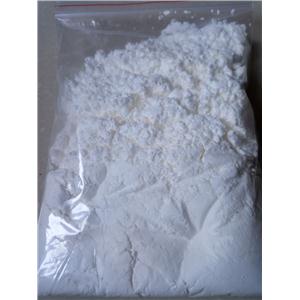
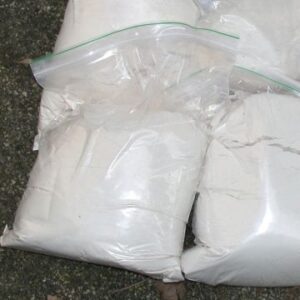
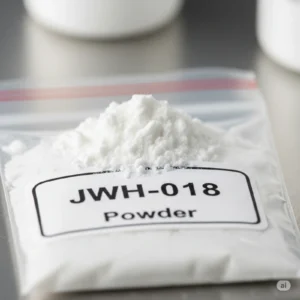
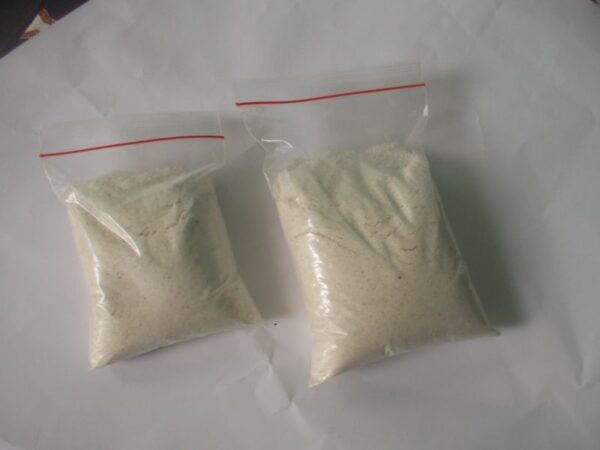
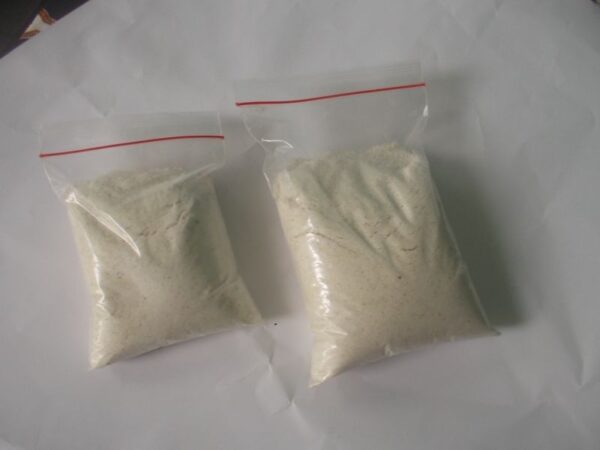
Physical Appearance of 5CL-ADB-A Powder
Based on vendor listings and laboratory reports, 5CL-ADB-A powder typically presents with the following physical characteristics:
-
Color: Can range from white to yellow to brown to orange
-
Form: Crystalline powder
-
Common appearance: Yellow powder is frequently described in vendor listings
The wide range of possible colors indicates variable purity and the presence of synthesis impurities or degradation products. Color alone cannot confirm identity or purity.
Product Adulteration
A critical safety concern is that 5CL-ADB-A is frequently used to adulterate other products:
-
Cannabis flower products in Europe have contained 0.3 to 4.6 μg/mg of the compound
-
Hash and other extracts have contained 1.7 to 7.2 μg/mg
-
Adulterated cannabis products in Italy have contained 0.4 up to 6.3 mg/g
-
The compound has been detected in heroin and fentanyl sold on the streets in Massachusetts
This widespread adulteration means that individuals may be exposed to 5CL-ADB‑A without their knowledge, dramatically increasing overdose risk when combined with other central nervous system depressants.
Effects and Risks
Desired Effects (User‑Reported)
As with other high‑potency synthetic cannabinoids, users may seek effects including:
-
Intense euphoria and relaxation
-
Altered perception of time and space
-
Increased sociability and talkativeness
However, the unpredictable potency and full agonist activity make these desired effects difficult to achieve without crossing into toxicity.
Adverse Effects and Toxicity
The adverse effect profile of 5CL-ADB‑A is severe and life‑threatening.
Physical Toxicity
-
Cardiovascular: Chest pain, palpitations, hypertension, tachycardia, angina
-
Neurological: Seizures, tremors, dizziness, headache
-
Gastrointestinal: Nausea, vomiting
-
Respiratory: Respiratory depression (in severe cases), “death‑rattle like noisy breathing” prior to collapse
-
Thermoregulatory: Hyperthermia
-
Other: Dilated pupils, sweating
Psychological Toxicity
-
Severe agitation and confusion
-
Paranoia and psychosis
-
Hallucinations
-
Panic attacks
-
Aggressive or violent behavior
Overdose and Fatalities
At least 15 deaths have been associated with MDMB-4en-PINACA (5CL-ADB‑A) use. Documented case reports include:
-
A 26‑year‑old who reported headache and angina before death, was noted to have a weak pulse and death‑rattle breathing after collapsing. Autopsy found brain edema, internal congestion, and petechial bleeding, with blood concentrations of 7.2 ng/mL of MDMB-4en-PINACA and 9.1 ng/mL of 4F-ABUTINACA.
-
A 35‑year‑old with peripheral blood levels of 0.4 μg/L of MDMB-4en-PINACA and 5.7 μg/L of its metabolite, with higher concentrations in cardiac blood.
These cases demonstrate that fatalities can occur at what may appear to be relatively low blood concentrations, emphasizing the compound’s extreme potency.
Long‑Term Risks
Long‑term health effects are not well characterized due to the compound’s recent emergence, but based on related synthetic cannabinoids, probable risks include:
-
Persistent psychosis
-
Cognitive impairment (memory, attention, executive function)
-
Chronic cardiovascular damage
-
Dependence and withdrawal syndrome
-
Kidney injury
Dosage Information
Synthetic cannabinoids like 5CL-ADB‑A are active in the microgram range. There is no safe dose for human consumption. The following information is provided solely to illustrate the extreme potency of this compound:
Estimated Active Doses (for comparison only)
Based on analysis of adulterated products:
-
Cannabis flower adulteration: 0.3‑4.6 μg per mg of plant material
-
Hash/extract adulteration: 1.7‑7.2 μg per mg
This means that a single “hit” of adulterated cannabis could deliver anywhere from less than 1 μg to over 100 μg of 5CL-ADB‑A, depending on the concentration and amount inhaled.
Even these tiny amounts can produce severe toxicity. The lack of homogeneity in adulterated products means that one inhalation might contain a negligible dose while the next contains a lethal one.
Why Dosing Is Impossible Without Laboratory Equipment
-
Extreme potency – Active in microgram quantities
-
Batch variability – Purity varies wildly between samples
-
Lack of homogeneity – Powder mixtures are rarely uniform
-
Inability to visually dose – A “small bump” could contain hundreds of lethal doses
A standard milligram scale (0.001g resolution) is inadequate for dosing this compound. Volumetric dosing with laboratory‑grade equipment is required for any handling, but even that should only be performed by trained personnel in a controlled laboratory setting for research purposes only.
Safe Usage Tips (Harm Reduction)
No use of 5CL-ADB-A can be considered “safe.” The only complete harm reduction is abstinence. However, for individuals who may be exposed to this compound (including through adulterated products), the following information is critical.
1. Assume Any Purchased Cannabis May Be Adulterated
Given the widespread adulteration documented in Europe and the United States, any cannabis product not obtained from a regulated, legal source should be suspected of containing synthetic cannabinoids. The presence of 5CL-ADB‑A has been confirmed in:
-
Herbal cannabis (“flower”)
-
Hash and extracts
-
Heroin and fentanyl samples
2. If Exposure Occurs, Recognize the Signs of Overdose
Symptoms requiring emergency medical attention:
-
Chest pain or angina
-
Severe headache
-
Confusion or altered mental status
-
Seizures
-
Difficulty breathing or irregular breathing (“death‑rattle” sound)
-
Collapse or unresponsiveness
-
Hot, dry skin (hyperthermia)
3. Emergency Response for Suspected Overdose
If overdose is suspected:
-
Call emergency services immediately – Do not wait
-
Check responsiveness and breathing – Be prepared to perform CPR
-
Place the person in recovery position if unconscious but breathing
-
Administer naloxone if available – While synthetic cannabinoids are not reversed by naloxone, adulterated products may contain fentanyl or other opioids
-
Cool the person if hyperthermic (remove excess clothing, apply cool compresses)
-
Do not leave the person alone until help arrives
4. Avoid Mixing Substances
Combining 5CL-ADB‑A with other central nervous system depressants dramatically increases fatal overdose risk:
-
Alcohol
-
Opioids (including fentanyl)
-
Benzodiazepines
-
Other synthetic cannabinoids
5. Testing Is Essential
Only laboratory testing can confirm the presence of 5CL-ADB‑A. Drug checking services (where available) can identify synthetic cannabinoids in samples. Some rapid test strips for synthetic cannabinoids exist but may not detect all analogs.
Withdrawal and Discontinuation
Chronic use of synthetic cannabinoids, including 5CL-ADB‑A, produces physical dependence. Withdrawal symptoms can be more severe than those from natural cannabis due to the full agonist activity and higher potency.
Withdrawal Symptoms
Based on documented synthetic cannabinoid withdrawal:
Physical symptoms:
-
Severe headaches
-
Nausea, vomiting, diarrhea
-
Sweating, chills, fever
-
Tremors
-
Seizures (in severe cases)
Psychological symptoms:
-
Intense anxiety and agitation
-
Insomnia
-
Depression
-
Intense cravings
-
Suicidal ideation (in severe cases)
Management of Withdrawal
Medical detoxification is strongly recommended. Synthetic cannabinoid withdrawal can be severe and, in rare cases, life‑threatening.
Supportive care:
-
Hydration and electrolyte replacement
-
Symptomatic treatment (antiemetics for nausea, benzodiazepines for agitation under medical supervision)
-
Monitoring for seizures or suicidal ideation
Long‑term treatment:
-
Cognitive Behavioral Therapy (CBT)
-
Contingency Management (CM)
-
Residential or intensive outpatient treatment for severe dependence
5CL-ADB-A (MDMB-4en-PINACA) represents one of the most dangerous synthetic cannabinoids to emerge in recent years. Its status as a full agonist at the CB1 receptor, combined with extreme potency and widespread use as an adulterant in cannabis products, has resulted in numerous fatalities and hospitalizations.
Unlike natural cannabis, which has a remarkably low toxicity profile, 5CL-ADB‑A can cause fatal overdose at doses invisible to the naked eye. The documented presence of this compound in heroin and fentanyl samples adds another layer of risk for individuals who may be exposed unknowingly.