Description
Buy ADBB UK Online | ADB-BUTINACA For Sale UK
Buy ADBB UK Online. ADBB, most accurately referred to as ADB-BUTINACA (or historically as ADB-BINACA)—is a potent synthetic cannabinoid receptor agonist (SCRA) that emerged as a significant public health concern following the widespread bans of earlier compounds in this class. Originally developed by Pfizer as a potential analgesic, it has since been diverted for use as an ingredient in synthetic cannabis products (often misleadingly sold as “Spice” or “K2”).
Unlike natural cannabis, which contains the partial agonist THC, ADB-BUTINACA is a full agonist of the CB1 receptor. This critical difference means it produces effects that can be far more intense and unpredictable, leading to a high risk of severe poisoning, cardiovascular complications, and death.

ADBB (ADB-BUTINACA) represents one of the most hazardous classes of synthetic cannabinoids to appear on the illicit market. Its nature as a full agonist at the CB1 receptor, combined with its extreme potency, has resulted in documented cases of fatal heart attacks, prolonged seizures, and comas.
The shift toward “one-pot” synthesis by clandestine labs has resulted in a product that is not only potent but impure, exposing users to unpredictable reactions. Unlike natural cannabis, which has a low acute toxicity profile, ADB-BUTINACA is a life-threatening substance.
What Is ADBB? Understanding the Chemistry
Nomenclature Clarification
There is significant confusion in the naming of this substance. The term ADBB is a shorthand commonly used in illicit markets, but it generally refers to ADB-BUTINACA. Historically, it was also known as ADB-BINACA or ADMB-BZINACA, though modern scientific literature differentiates these slightly.
-
Full Chemical Name: N-[(2S)-1-amino-3,3-dimethyl-1-oxobutan-2-yl]-1-butyl-1H-indazole-3-carboxamide
-
Molecular Formula: C₁₈H₂₆N₄O₂
-
Molecular Weight: 330.43 g/mol
-
Chemical Class: Indazole-3-carboxamide synthetic cannabinoid
Structural Properties
The core structure of ADB-BUTINACA consists of three key components:
-
Indazole Core: A heterocyclic aromatic ring system.
-
Butyl Tail: A 4-carbon chain (the “BUTI-” prefix) attached to the indazole nitrogen.
-
Carboxamide “Head”: A complex amino acid-like group (L-valine derivative) that terminates in a primary amide.
This specific structure is pharmacologically critical. The presence of the tert-leucine (3,3-dimethylbutanoate) head moiety has been associated with higher CB1 receptor potency compared to other head groups, but it is also correlated with significantly greater toxicity in humans.
Manufacturing and Purity Concerns
Recent forensic investigations have uncovered a disturbing trend in the production of ADB-BUTINACA. Since the Chinese class-wide ban on many synthetic cannabinoids (July 2021), illicit labs have switched to a “one-pot” synthesis method using unscheduled “tail-less” precursors.
This new method results in products that are often impure. Seized samples analyzed in 2025 showed chromatographic purities ranging from 39.3% to 93.4% , with reactive precursors remaining in the final product. This means a user never truly knows the potency of the dose they are taking, as the product may be a dangerous mixture of unreacted chemicals and the active SCRA.
Pharmacodynamics: How It Works
ADB-BUTINACA acts as a potent full agonist of the cannabinoid CB1 receptor (the primary biological target in the brain responsible for the psychoactive effects of cannabis).
The Full Agonist Danger
Natural THC is a partial agonist. Think of it as turning a dimmer switch halfway up. ADB-BUTINACA is a full agonist. It turns that switch all the way to maximum, and sometimes breaks the knob off.
| Feature | Natural Cannabis (THC) | ADB-BUTINACA |
|---|---|---|
| Receptor Activity | Partial Agonist | Full Agonist |
| CB1 Binding Affinity (Ki) | ~40 nM | 0.29 nM (Extremely High) |
| Potency | Moderate (mg range) | Ultra-potent (µg range) |
| Overdose Risk | Low (no fatal overdose from THC alone) | High (documented fatalities) |
This high affinity means the drug binds to receptors very tightly and activates them completely, leading to effects that can overwhelm the body’s natural regulatory systems, causing seizures, heart attacks, or coma.
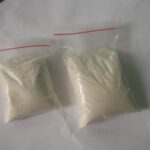
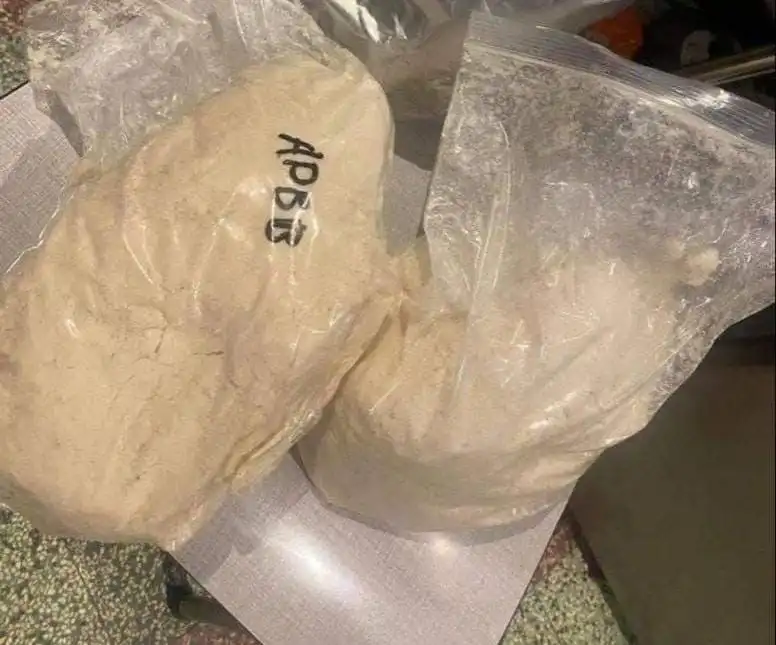
Physical Appearance of ADBB Powder
Based on forensic reports and vendor listings, ADB-BUTINACA powder typically presents with the following characteristics:
-
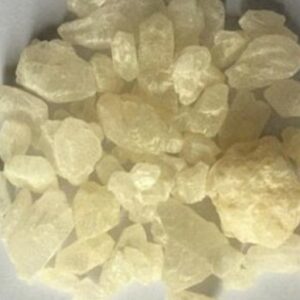
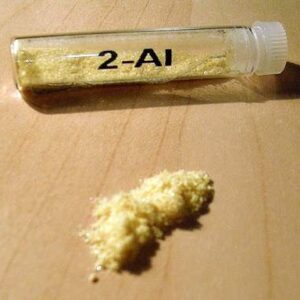
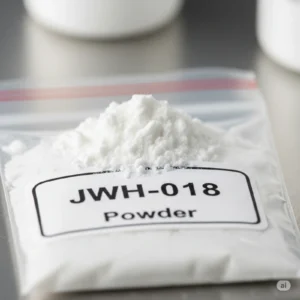
Color: Ranges from white to yellowish, or brown.
-
Form: Described as a “crystalline powder” or occasionally as a “waxy solid/oil” depending on synthesis purity.
-
Texture: Fine powder.
-
Adulteration: Often sprayed onto plant material (herbal smoking blends) to mimic cannabis.
Critical Warning: Because it is active in the microgram range, you cannot visually determine a safe dose. A pile of powder the size of a grain of sand could contain dozens of lethal doses.
Risks and Side Effects
The adverse effect profile of ADB-BUTINACA is severe and life-threatening.
Short-Term Physical Toxicity
Case reports and emergency room data reveal a specific “toxidrome” (a set of symptoms) associated with this class of drug:
-
Cardiovascular: Chest pain, myocardial ischemia (heart attack) , hypertension, bradycardia (dangerously slow heart rate), and Atrioventricular block (heart rhythm disruption).
-
Neurological: Seizures, coma, unresponsiveness, severe agitation.
-
Metabolic: Profound Hypoglycemia (dangerously low blood sugar), hypothermia (low body temperature).
-
Other: Respiratory depression (slow/stopped breathing), kidney failure.
Dosage Information
There is no safe dose for human consumption of ADBB.
Unlike pharmaceutical drugs, illicit powder has unknown purity. A dose that produces a “high” is dangerously close to a dose that causes a seizure or heart attack.
-
Active Range: Micrograms (millionths of a gram).
-
Lethal Potential: Forensic cases show fatality at blood concentrations as low as 0.08 ng/mL to 105 ng/mL depending on the specific analog and individual physiology.
Why Dosing Is Impossible:
-
Extreme Potency: A standard milligram scale (0.001g) is not precise enough to weigh these amounts safely.
-
Hot Spots: If sprayed on plant material, the drug is rarely distributed evenly, meaning one “hit” of the joint might be weak while the next is lethal.
-
Impurities: Recent seizures show that the powder may contain toxic precursors and byproducts.
Safe Usage Tips (Harm Reduction)
No use of ADBB can be considered safe. The only complete harm reduction is abstinence. However, for those who may be exposed or are unwilling to stop:
1. Avoid Mixing
Combining ADBB with other substances dramatically increases the risk of death.
-
Opioids (Fentanyl/ Heroin): High risk of fatal respiratory depression.
-
Alcohol/Benzodiazepines: Increases sedation and breathing difficulties.
-
Stimulants (Cocaine/Meth): Masks the sedative effects, leading to accidental overdose, while causing massive strain on the heart.
2. Recognize Overdose Signs
Immediate medical attention is required if the user exhibits:
-
Unresponsiveness or inability to wake up.
-
Seizures or jerking movements.
-
Slow or irregular breathing (less than 8 breaths per minute).
-
Chest pain or pressure.
-
Cool, clammy, or pale skin.
3. Emergency Response
-
Call Emergency Services immediately.
-
Administer Naloxone (Narcan) : While Naloxone does not reverse synthetic cannabinoids, street drugs are frequently laced with Fentanyl. It is harmless if opioids aren’t present but life-saving if they are.
-
Put the person in the Recovery Position (on their side, top leg bent) to keep airways open if they vomit.
-
Monitor blood sugar if possible; severe hypoglycemia is common. If the person is conscious and can swallow, provide a source of sugar (soda, juice, candy).
-
Do not leave them alone.
Withdrawal and Discontinuation
Chronic use of high-potency synthetic cannabinoids leads to significant physical dependence.
Withdrawal Symptoms
-
Physical: Severe headaches, sweating, nausea, tremors, seizures (in severe cases).
-
Psychological: Intense anxiety, insomnia, paranoia, depression, and suicidal ideation.
Management Tips
Medical detoxification is strongly recommended due to the severity of symptoms and risk of seizures.
-
Tapering: Difficult due to the long half-life, but abrupt cessation (“cold turkey”) can be dangerous.
-
Medical Support: Hospitals may use benzodiazepines to control agitation and prevent seizures, and antiemetics for nausea.
-
Long-term Treatment: Cognitive Behavioral Therapy (CBT) and contingency management are effective for stimulant/cannabinoid use disorders.
Legal Status
ADB-BUTINACA and its variants are strictly controlled.
-
United States: Classified as a Schedule I controlled substance (no medical use, high abuse potential). It is specifically banned under federal analog acts.
-
Europe: Banned in most member states (e.g., Sweden, Hungary, UK under the Psychoactive Substances Act).
-
International: Controlled under the UN Convention on Psychotropic Substances in many signatory countries.
Possession, distribution, and manufacture are criminal offenses carrying significant penalties including imprisonment.